Meet the
girls
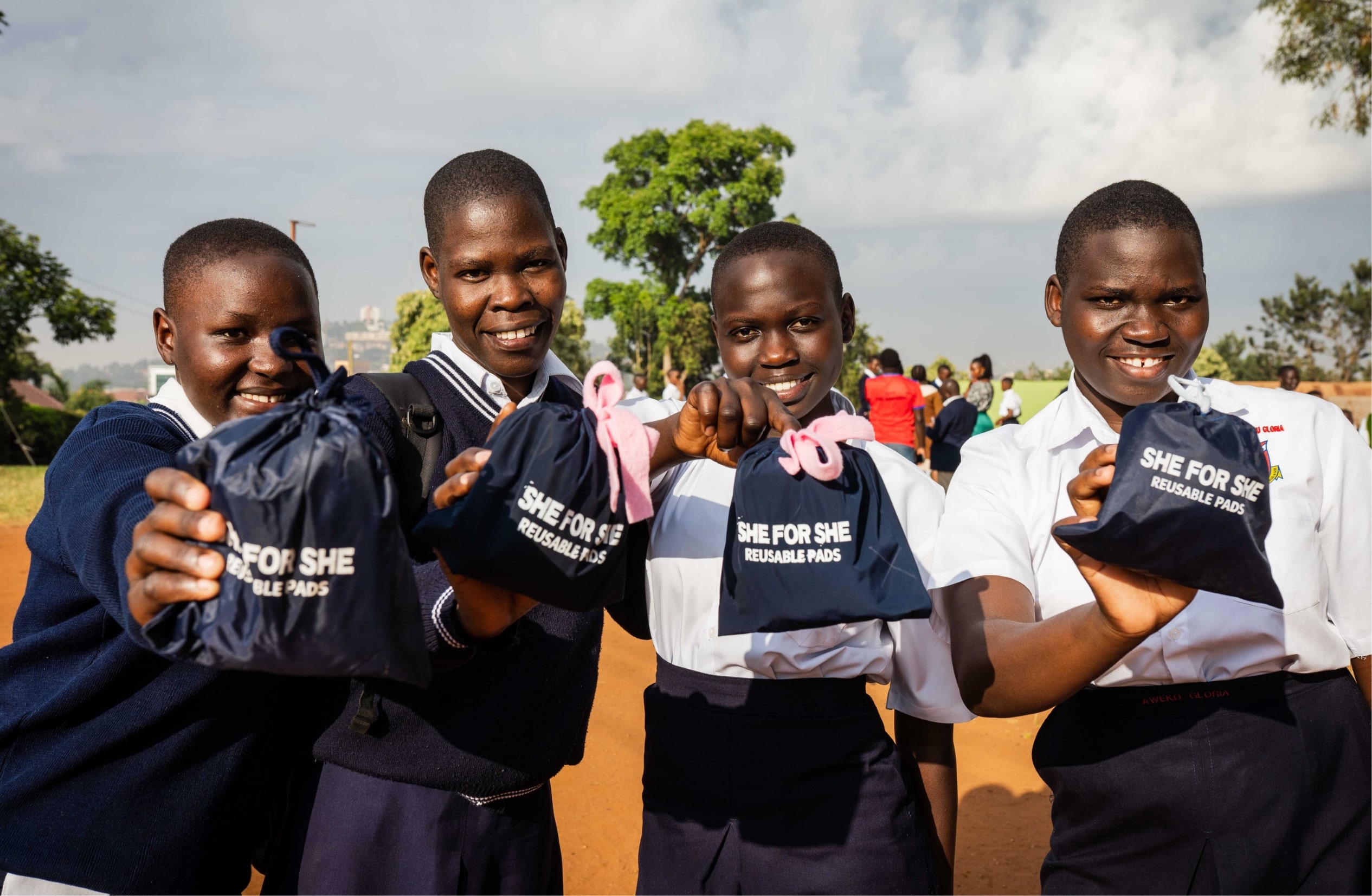
Phiona
When Phiona got her first period, she was 14 and had no idea what was happening. “At first it felt wet, and then I saw blood in my panties. I thought I had injured myself.”
Phiona explains that she can’t afford to use more than one pad a day and therefore has to stay as still as possible — not run, and preferably not even walk — so she won’t bleed as much. She skips the dance classes she usually goes to after school.
When her period falls during exam periods, it becomes especially hard. Her thoughts keep drifting back to the heavy pad, and it becomes hard to concentrate on the questions in front of her.
Belinda
Fifteen-year-old Belinda misses school every time she goes through her menstrual cycle. Ever since she started menstruating, the struggle has been real. In addition to not fully understanding the changes her body is going through, she has to miss school for five days every month due to dysmenorrhea (also known as painful periods or menstrual cramps) and a lack of sanitary wear.
Her grandmother cannot afford to buy sanitary wear for her, so Belinda has been taught to improvise by using old cotton cloths — a solution that is neither optimal nor dignified. Her cycle lasts almost seven days, during which she must wash and reuse the cloths. Because of her heavy flow, she sometimes stains her uniform and therefore cannot risk going to school.
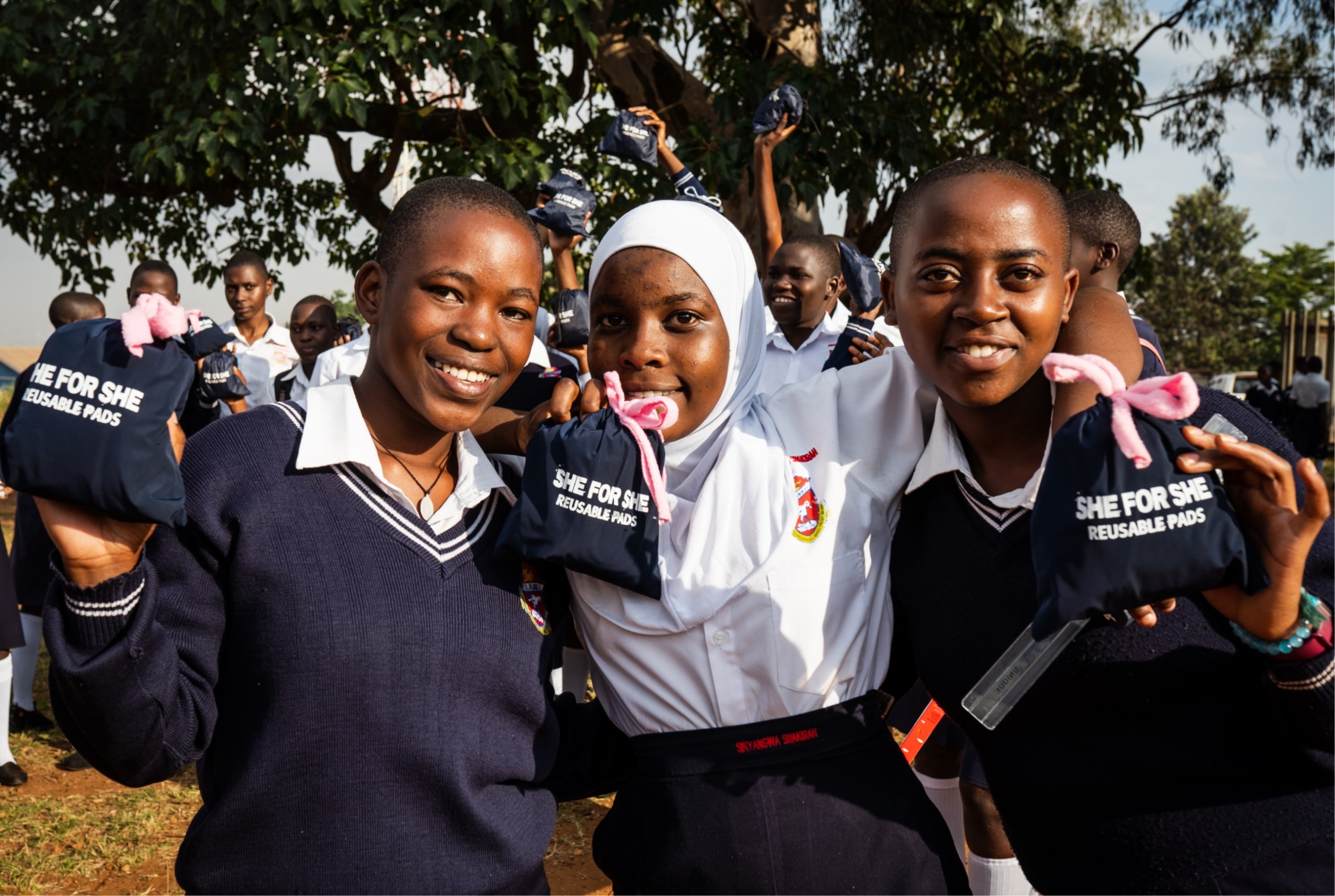
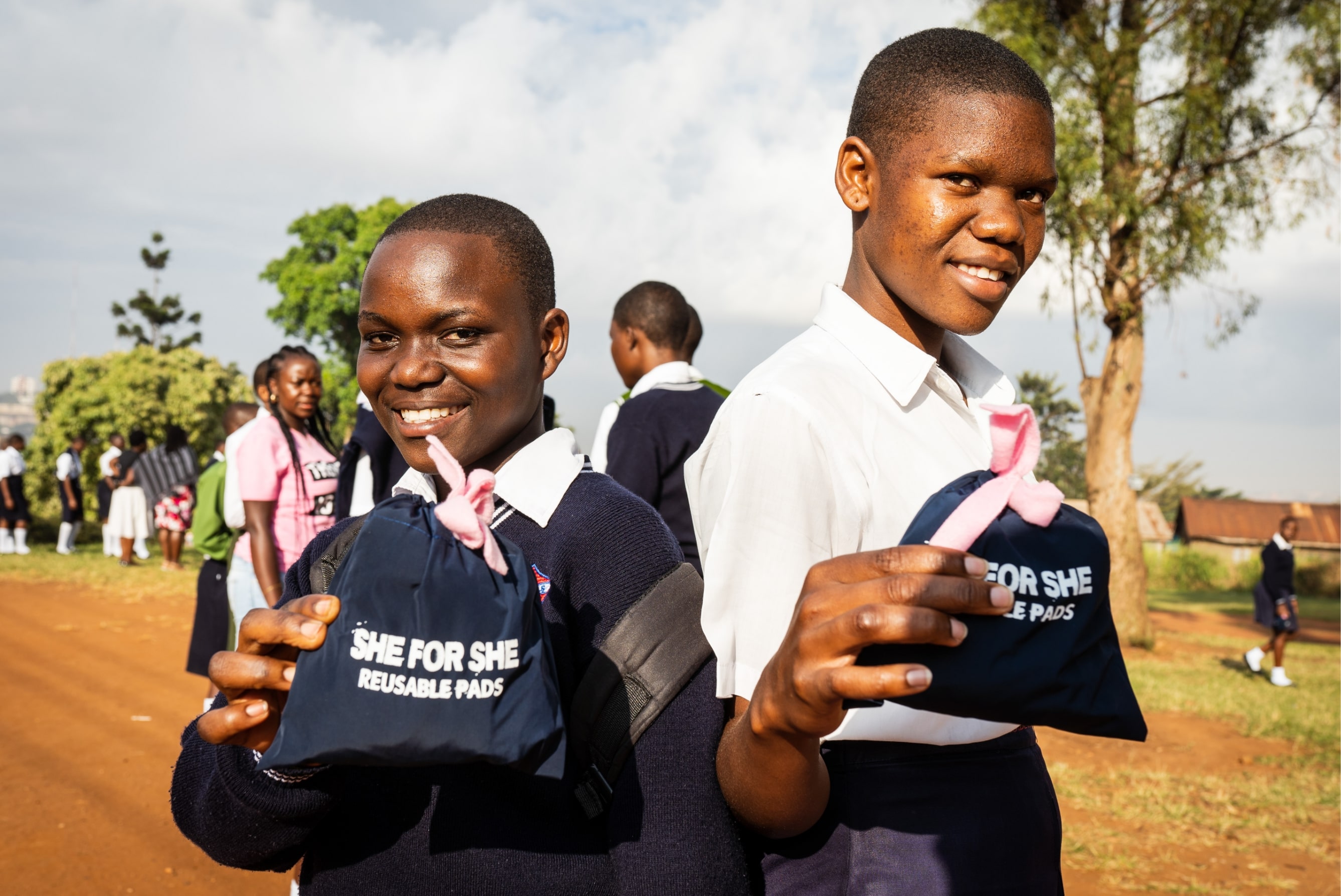
When Peninah got her period, she felt scared, confused and embarrassed. Like thousands of other girls in the developing world who experience their first period without knowing what menstruation is, Peninah — who lives with her sister-in-law in a village in Tororo, eastern Uganda — kept quiet.
“When I went to the toilet, I saw blood on my knickers,” she explained. “I was wondering what was coming out of me, and I was so scared that I ran inside the house and stayed there crying. I just used rags. I was afraid to tell anyone.”